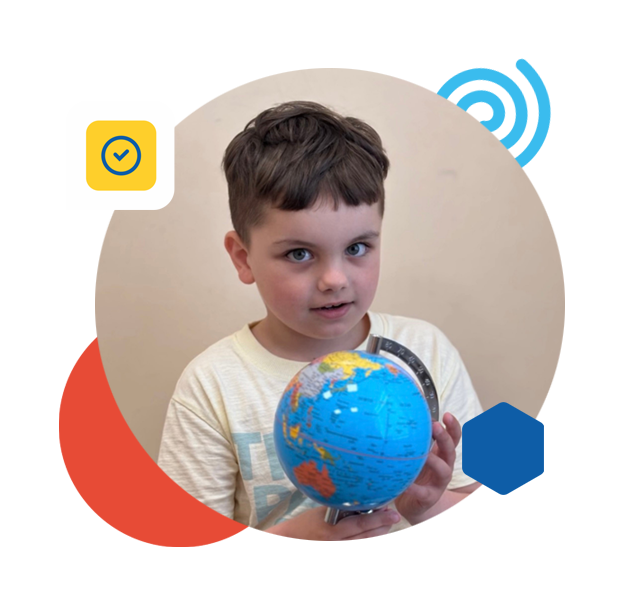
Yura’s Story
Mozaika Warsaw
Case topic: Socialization and first academic achievements.
Where we started: Adapting to school was not easy for Yura: he found it difficult to stay in the classroom and become part of the shared routine.
Result of this stage: He learned to feel calm and confident, became comfortable working in a group, and now enjoys completing learning activities.
Case language: Ukrainian
Be inspired by Yura’s story: View on Instagram
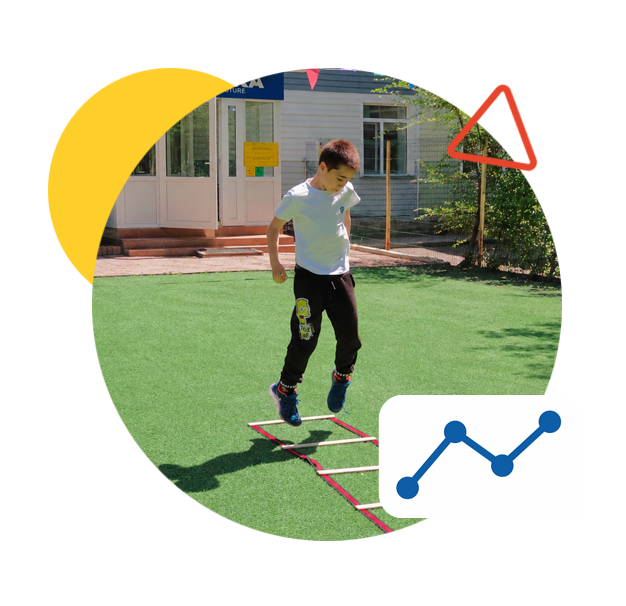
Aziz’s Story
Mozaika Karaganda
Case topic: Developing coordination, self-regulation, and motor skills through adaptive physical education.
Where we started: At the beginning, Aziz found it challenging to control his movements and coordinate his body, manage self-regulation, and follow shared instructions. Together with his adaptive physical education coach, we gradually worked on motor skills, balance, coordination, and teamwork.
Stage result: Aziz now enjoys participating in classes and competitions and confidently completes physical tasks: walking along special tracks and a coordination ladder, jumping, and working with a ball. His movements have become more precise and coordinated, his self-regulation has improved, and Aziz has learned to work as part of a team and follow shared instructions.
Case language: Russian
Get inspired by Aziz’s story: View on Instagram
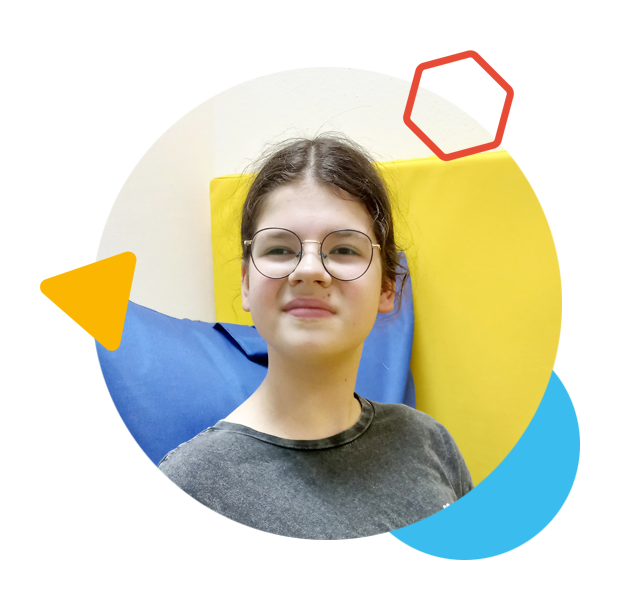
Karina’s Story
Mozaika Kyiv
Case topic: A safe school environment and adaptation to learning.
Where we started: Before joining Mozaika, Karina found it difficult to feel comfortable in a school environment: large groups of children and noise caused discomfort, and she could leave the school.
Stage result: At Mozaika, a more comfortable and safe learning environment was created for Karina. Video monitoring is available both indoors and outdoors, allowing her mother to remotely see how her daughter’s day is going. This helps the family feel more at ease and supports Karina as she gradually adapts to school life.
Case language: Ukrainian
Get inspired by Karina’s story: View on Instagram
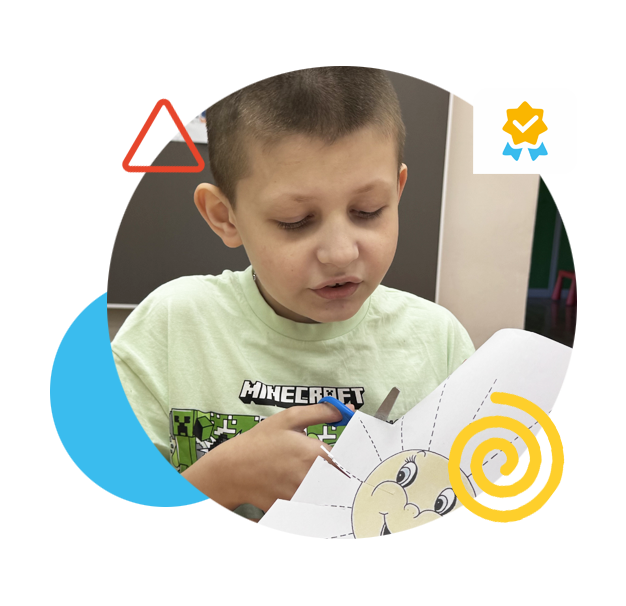
Denis’s Story
Mozaika Prague
Case topic: Developing fine motor skills, coordination, and self-confidence.
Where we started: using scissors was very difficult for Denis: his hands tired quickly, his movements were uncertain, and cutting along a line was a major challenge.
Stage result: Denis now controls his movements more confidently, tries to hold the scissors and cut along the line independently, is not afraid of mistakes, and is ready to try again.
Case language: Russian
Get inspired by Denis’s story: View on Instagram
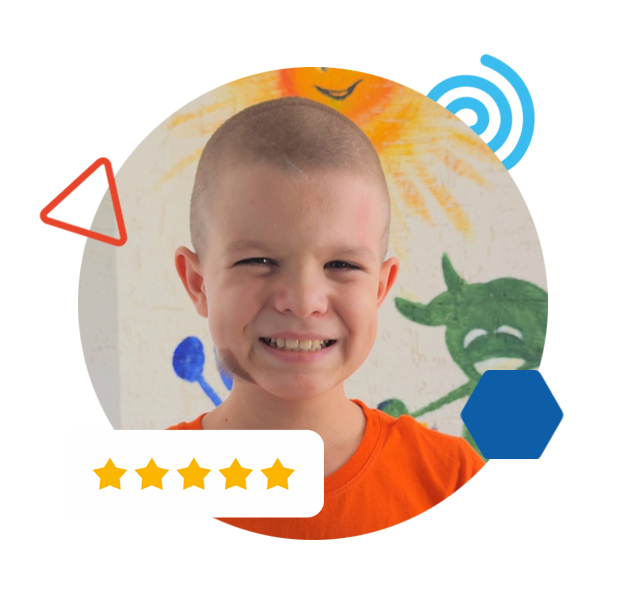
Nikita’s Story
Mozaika Astana
Case topic: Overcoming fear, developing independence, and building self-confidence.
Where we started: Nikita found not only new physical challenges difficult, but also managing his emotions, making decisions, and adapting to the world around him. A significant part of our work therefore focused on developing independence, self-regulation, and social skills.
Stage result: While completing an obstacle course, Nikita climbed a high ladder independently. At one point, he stopped to assess the height and his own abilities, but with support from the adults and other children, he managed his anxiety and continued.
Case language: Russian
Get inspired by Nikita’s story: View on Instagram
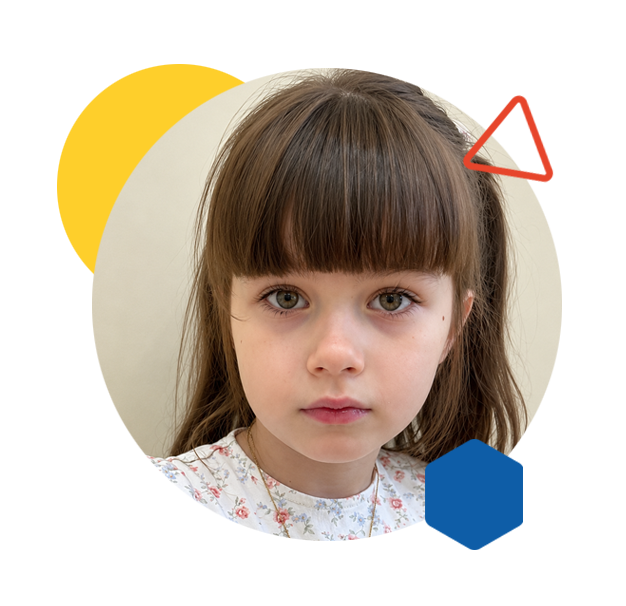
Emilia’s Story
Mozaika Warsaw
Case topic: School adaptation, socialization, and overcoming protest behavior.
Where we started: Emilia’s adaptation was not easy: she often refused to participate in activities, showed protest behavior, and found it difficult to stay in spaces with many children, noise, and music.
Stage result: Today, Emilia calmly participates in activities, interacts with her teacher and other children, completes tasks suited to her abilities, and enjoys developing her talents — for example, she draws beautifully. An especially important step is that Emilia has started participating in school celebrations and group activities, feels more comfortable around other children, and feels like part of school life.
Case language: Ukrainian
Get inspired by Emilia’s story: View on Instagram
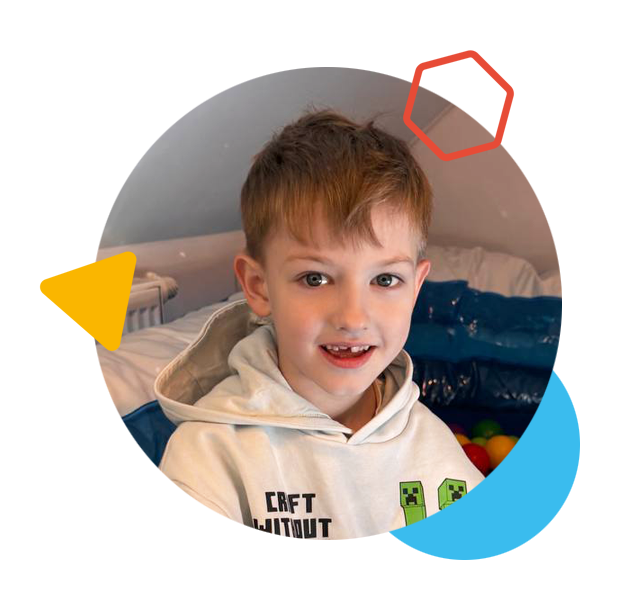
Artem’s Story
Mozaika Prague
Case topic: Speech development and reading skills.
Where we started: Artem’s family came to Mozaika with one of their main goals — to help him develop his speech.
Stage result: Today, Artem is actively developing his speech, working with a speech therapist, and already taking his first steps in learning to read.
Case language: Ukrainian
Get inspired by Artem’s story: View on Instagram

Bogdan’s Story
Mozaika Ukraine
Case topic: Developing math skills and confidence in his own abilities.
Where we started: Bogdan found counting and maintaining attention for longer periods challenging. Any mistake caused strong emotions, and words like “wrong” or “incorrect” felt like a defeat.
Stage result: Bogdan has become more confident with math tasks and calmer about making mistakes. Today, he completes calculations independently and can find 20% of a number.
Case language: Ukrainian
Get inspired by Bogdan’s story: View on Instagram

Jasmin’s Story
Mozaika Almaty
Case topic: Developing coordination, balance, and body control.
Where we started: Jasmin found physical exercises challenging — especially using the treadmill, maintaining balance, and controlling her movements.
Stage result: Thanks to regular sessions, Jasmin’s movements have become more confident and precise, with noticeable improvements in balance and coordination.
Case language: Russian
Get inspired by Jasmin’s story: View on Instagram
Makar’s Story
Mozaika Karaganda
Case topic: Developing friendship and socialization skills.
Where we started: One of the important goals for Makar was to learn how to communicate with his peers, build relationships, and maintain friendships.
Stage result: Today, Makar has a true friend — his classmate Amelia. They help each other, learn together, play, and spend time together on walks.
Case language: Russian
Get inspired by Makar’s story: View on Instagram

Kirill’s Story
Mozaika Ukraine
Case topic: Independence and completing learning tasks.
Where we started: Kirill found it difficult to sit down at his workspace, listen to instructions, and begin tasks — this often caused tension and protest.
Stage result: Today, Kirill sits down at the table independently, listens to instructions, and completes familiar tasks with almost no prompting or unnecessary protest.
Case language: Ukrainian
Get inspired by Kirill’s story: View on Instagram