We are shaping a future where every child has equal rights and opportunities.
Our school, Mozaika Aktobe, has been operating since 2023, holding a licence for primary education and an international ISO quality certificate.
Our services:

Educational services
Teaching in accordance with the state compulsory standard of primary education.

Correctional services
Group and individual sessions with a speech therapist, psychologist, physical therapist, ABA therapist, and sensory integration specialist.

Educational Support services
Socialisation, everyday and communication skills, preparation for independent living.

Leisure
Entertainment, celebrations, excursions, extended day group activities, clubs, and summer camp.
Our goal
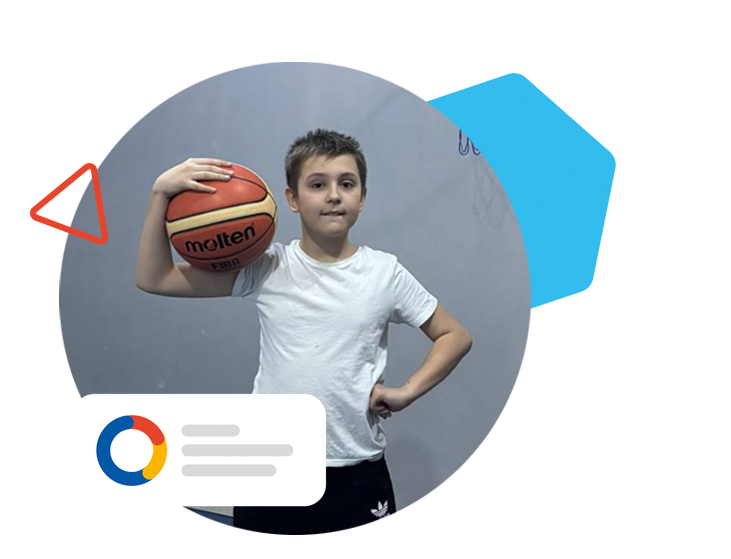
To create an effective environment and a safe childhood for our students.

Student age
Children from 6 to 10 years old.

Language of teaching
Kazakh, Russian.

Working hours
8:30 – 18:00.

School team
Primary school teachers, teaching assistants, speech therapist–defectologist, psychologist, physical therapist, ABA therapy specialist, sensory integration specialist.

Accreditation
The school is licensed for educational activities for years 1 to 4.

Structure
Primary school, preparatory class, extended day group.
Curriculum
Education at the school follows programmes recommended by the Ministry of Education of the Republic of Kazakhstan:
general education programme, programme for children with delayed development, programme for children with mild intellectual disabilities, taking into account the individual abilities of the class.
Alongside the general school programmes, work is carried out throughout the year according to each child’s individual development plan.
Step 1
At the beginning of the year, students are assessed according to the school curriculum for the year and their needs in behavioural correction, language, physical, and mental development.
Step 2
Based on the assessments, taking into account the student’s individual characteristics and abilities, and the wishes of parents, the school team – teacher, psychologist, speech therapist, physical therapist – develops an individual development plan for the year.
Step 3
At the end of the year, testing and evaluation of the student’s learning and development progress are carried out.
Extended day group
From 14:00 to 18:00
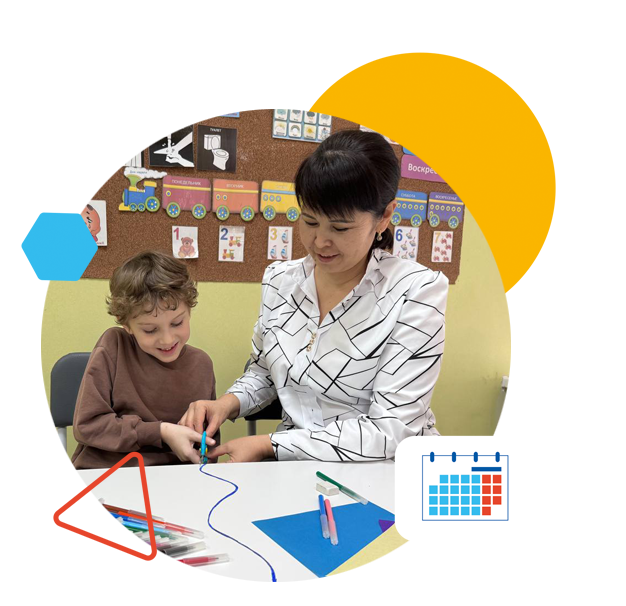
The extended day group is a wonderful combination of learning, development, and relaxation under supervision.
Why is this convenient and useful?
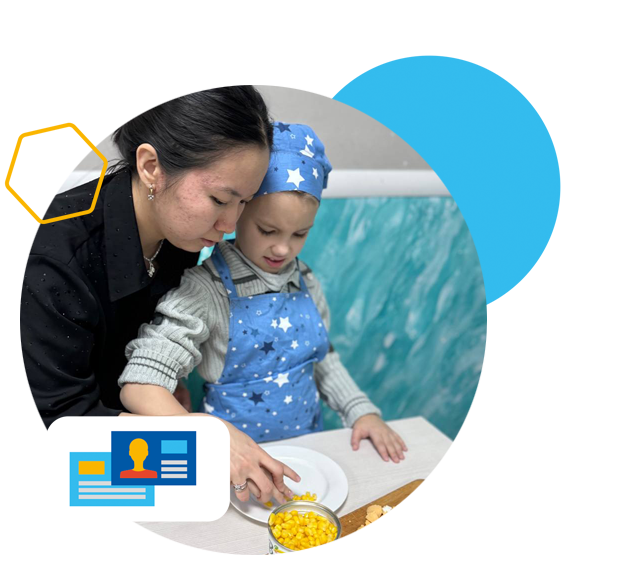
We work on:

Communication
with peers and adults, in daily life, learning and games

Development of everyday skills
Activities in self-care and social adaptation, useful for real life – from tidying up to going to the shop

Independent play
Spending time independently with appropriate games under the supervision and support of teachers

Playing with others
Team and paired games

Exploring the world around us
Proper outdoor walks

Socialisation
Excursions, picnics, outdoor walks with focus on behaviour correction and overcoming fears.

Support with learning
Lessons to consolidate studied topics and complete homework.

Learning safety rules
At home, in the street and on the road.

Individual sessions
With correctional specialists – speech therapist, psychologist, physical therapist.

Building a positive perception of school
Focus on everyday skills, communication of children with peers and adults, socialisation in society, and preparation for independent life
Photos from the extended day group


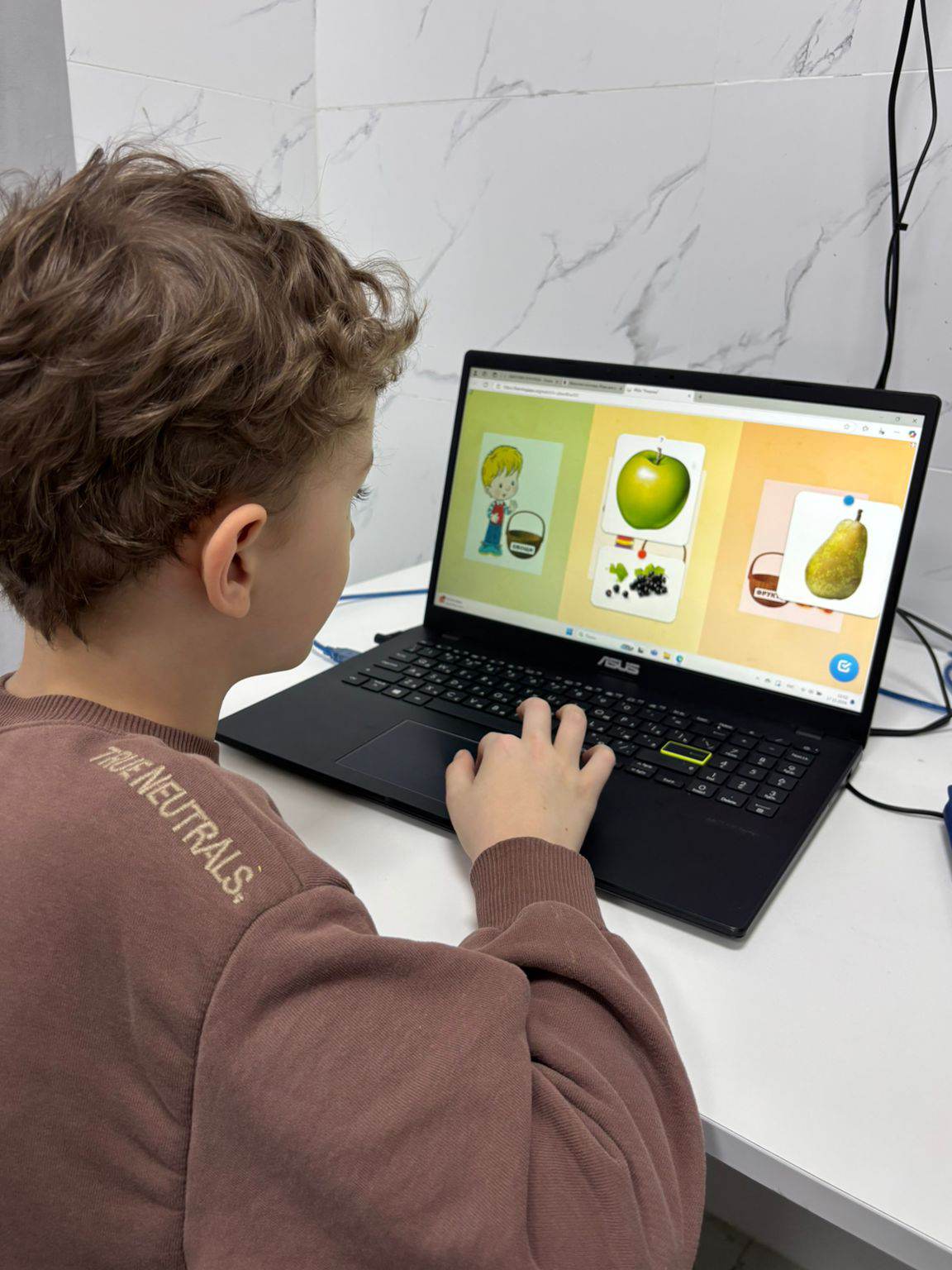
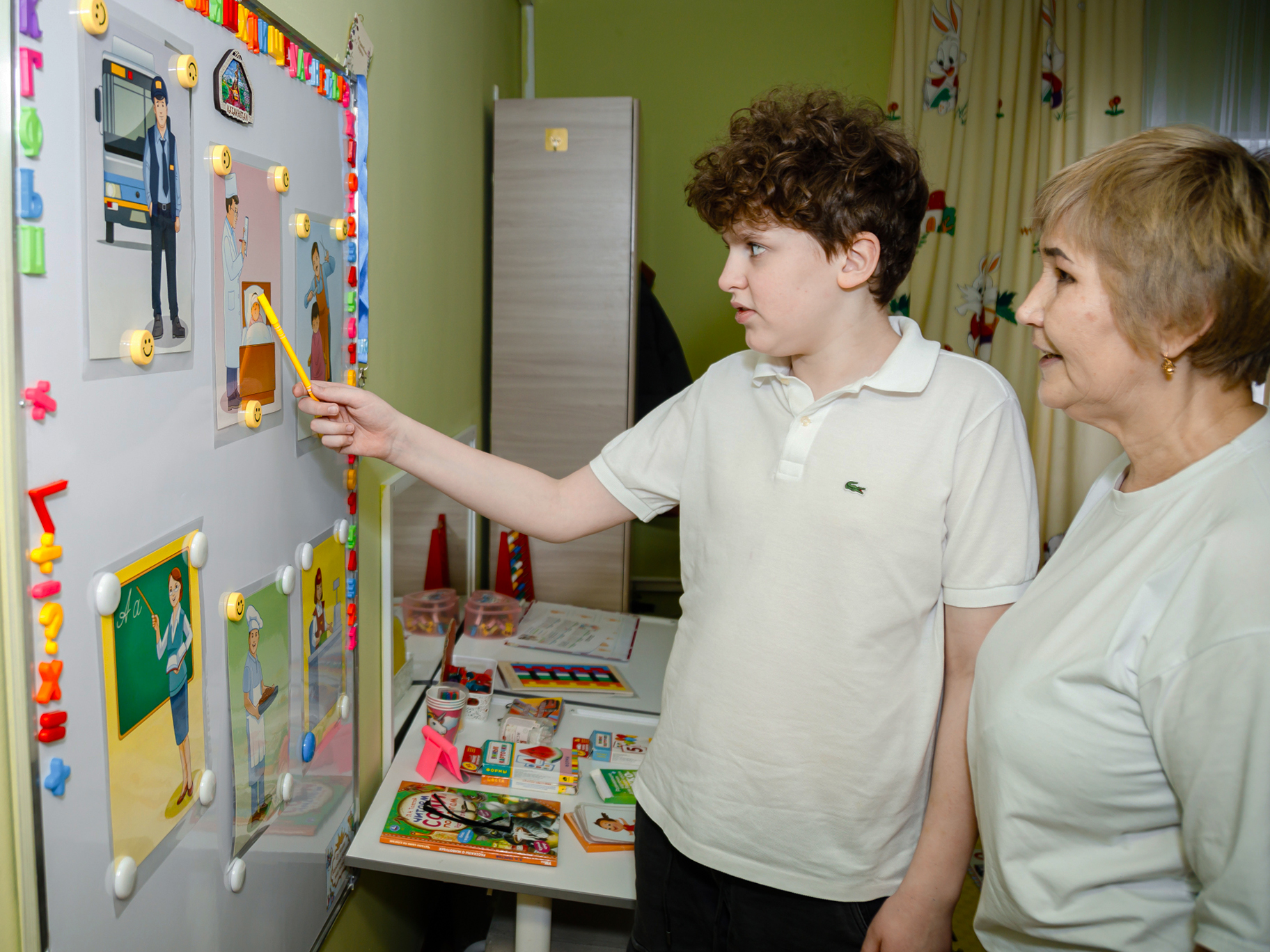
Individual sessions
A significant part of a child’s progress is achieved through individual sessions with specialists, which are held within the school during the working day.

Psychologist
Harmonisation of psychomotor, sensory, and communication functions, social adaptation, and other tasks according to the individual needs of the child.
The number of sessions according to the timetable is included in the tuition fee.

Physical therapist
Improvement of physical and mental condition, development of fine and gross motor skills, strengthening of the body, ensuring the optimal functioning of movement characteristics, and other tasks according to the individual needs of the child.
The number of sessions according to the timetable is included in the tuition fee.

Speech therapist
Speech initiation, sound production, prevention of writing and reading disorders, development of grammar skills, expansion of vocabulary, development and correction of visual and auditory contact, and other tasks according to the individual needs of the child.
The number of sessions according to the timetable is included in the tuition fee.

ABA therapist
Uses applied behaviour analysis to develop communication skills, learning, and independence in children, helping them to adapt better to their environment. Through an individual approach and a system of positive reinforcement, the therapist supports behaviour correction, improves concentration, and helps to build social skills necessary for a full life.
The number of sessions according to the timetable is included in the tuition fee.
Photos from individual sessions



Preschool Education and School Preparation
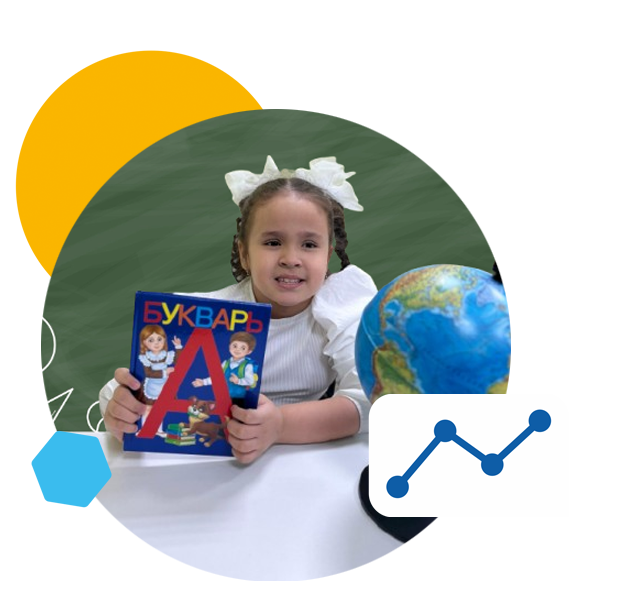
School preparation
Our school offers a preparatory class for children who need more time to adapt before starting school.
The programme focuses on developing basic skills, such as the ability to sit at a desk, fine motor skills (including holding a pen), following classroom rules, coping with time limits, developing correct communication skills with classmates and teachers, as well as mastering basic learning skills.
Play-based methods are used to ensure a smooth transition from pre-school to school education.
Clubs
There is no need to take tired children to additional classes elsewhere after school. Clubs are held during the day with teachers experienced in working with children with special educational needs. Classes are conducted at school in the afternoon, ensuring convenience and saving parents’ time.
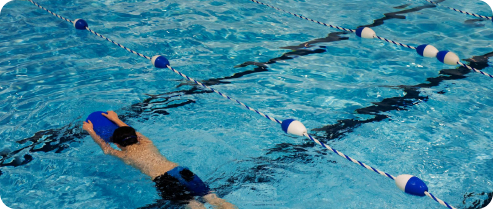
Swimming Pool
- Improved Motor Skills:
Swimming strengthens muscles, develops coordination of movements, and balance. - Sensory Regulation:
Water has a calming effect, reducing hypersensitivity or sensory overload. - Relief of Muscle Tension:
Helps relax the body and improve posture. - Stress Reduction:
Water relaxes, helping to reduce anxiety and irritability. - Improved Mood:
Stimulates the release of endorphins, improving emotional state. - Communication:
Group sessions teach interaction with the teachers and other children. - Building Trust:
Working with a coach helps to develop trusting relationships and interaction skills. - Concentration:
Following the coach’s instructions teaches children to focus. - Development of Self-Control:
Rhythmic movements in water help children to control their actions better. - Safety Skills:
Children learn basic water safety skills, which are essential for their protection. - Social Adaptation:
Swimming helps children to adjust to a new environment, people, and the structure of activities.
Cost: included in the service package, group classes 2 times a week for 120 minutes
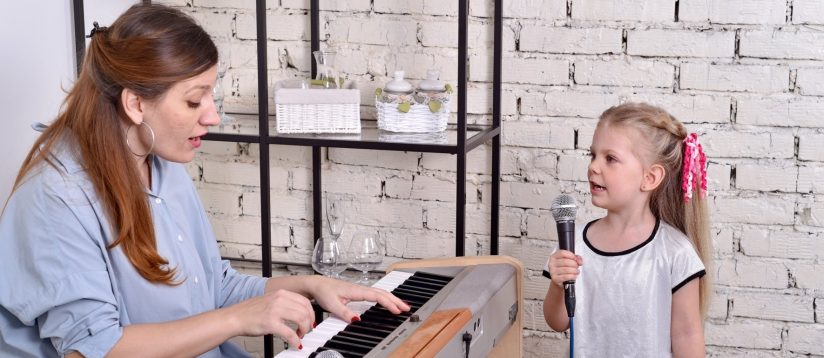
Singing
- Stress reduction:
Singing promotes relaxation and reduces anxiety thanks to rhythm and melody. - Emotional expression:
Singing helps children express their feelings, even if they find it difficult to do so with words.
- Improved articulation:
Singing trains the mouth muscles and refines pronunciation. - Vocabulary expansion:
Learning song lyrics introduces children to new words and phrases. - Rhythm and intonation:
Musical exercises develop rhythmic perception, which is important for understanding and constructing speech. - Memory:
Learning songs improves both short-term and long-term memory. - Creativity:
Singing stimulates imagination and musical thinking. - Rhythm and vibrations:
Singing and music help reduce sensory overload or hypersensitivity. - Breath control:
Vocal exercises teach children to manage their breathing, which is useful for relaxation and self-regulation. - Respiratory development:
Singing strengthens the lungs and develops the diaphragm. - Body control:
Using gestures or movements alongside singing helps children become more aware of their bodies.
Cost: included in the service package.

Dombra
- Stress reduction:
Music has a calming effect and helps reduce anxiety and tension. -
Emotional expression:
Playing the dombra allows children to express their feelings through sounds and melodies. - Memory development:
Learning melodies and playing techniques improves both short-term and long-term memory. - Concentration:
Playing requires focus and consistency, which helps develop attention. - Thinking development:
Learning musical notation and understanding musical structure supports analytical thinking. -
Tactile stimulation:
Playing strings develops fine motor skills and sensory integration. - Rhythm:
The rhythm and vibrations produced by the dombra can have a soothing effect and help regulate behaviour. -
Fine motor skills:
Finger work while playing improves dexterity and coordination. - Improved coordination:
Playing with both hands simultaneously promotes synchronisation of movements. - Cultural traditions:
Playing the dombra allows children to connect with cultural heritage, forming identity and a sense of belonging to the community.
Cost: included in the service package.
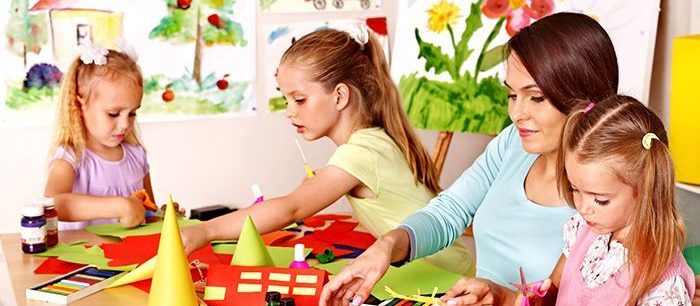
Art
- Includes activities such as drawing, modelling with plasticine, and making crafts.
- Stress relief:
Creative activities help children relax and reduce anxiety. - Concentration:
Making crafts or drawings requires focus and perseverance. -
Imagination development:
Creativity stimulates creative thinking and supports the development of imagination. - Improved planning:
The process of making an item teaches children to plan their actions and carry them out step by step. - Development of sensory skills:
Working with different materials (paints, plasticine, paper) helps children explore textures, colours, and shapes, improving sensory regulation. - Reduced hypersensitivity:
Tactile contact with materials helps children get used to different sensations. - Fine motor skills:
Working with small details develops fine motor skills of the hands. - Movement coordination:
Creative tasks help improve hand–eye coordination. - Learning new skills:
Children learn how to use different tools and materials. - Aesthetic perception:
Working with flowers, shapes, and compositions develops taste and appreciation of beauty.
Cost: included in the service package.
Tuition fees
Includes:
- Lessons following state programmes
- Individual sessions with a psychologist, speech therapist, physical therapist
- Group sessions with a psychologist, speech therapist, physical therapist
- Work on social, daily living, and communication skills
- Celebrations, excursions, and entertainment
- Individual development plan
- Extended day group until 18:00
- State-recognised certificate
Contacts
Frequently Asked Questions
Is it mandatory to have a medical diagnosis for school admission?
Yes, according to the legislation, the child must undergo an assessment by the commission, and the school must be provided with the commission’s conclusion.
Why is a deposit required when enrolling at school?
The deposit guarantees that a place will be reserved for your child, and also offers convenience for parents: the deposit covers the payment for the final month of attendance, meaning you will not need to worry about it in the future.
How many students are in a class?
The number of students in each class depends on the functional abilities and individual needs of the children. In any case, there are up to 10 students per class, which allows us to provide attentive and professional support to each student, taking into account their individual development and learning needs.
How many teachers are in each class?
Each class has a teacher and a teaching assistant, ensuring an individual approach to every student and creating an environment for effective learning and development.